


 Send Inquiry
KRK Rokit 8 Studio Monitor
Price 56000 INR/ Pair
MOQ : 1 Pair
KRK Rokit 8 Studio Monitor Specification
- Bluetooth
- NO
- Remote Controlled
- NO
- HDMI
- No
- Channels
- 2 (Stereo)
- Auto Memory
- No
- USB Port
- NO
- FM Turner
- NO
- Aux Option
- NO
- Product Type
- Active Studio Monitor
- Material
- MDF Cabinet with PVC Laminate
- Input Power
- 100-240 V AC, 50/60 Hz
- Frequency Range (Hz)
- 35 Hz 35 kHz
- Sound Level
- Maximum SPL: 111 dB
- Earphone/Headphones Plugin
- No
- Include Display
- No
- Game Function
- No
- Dimension (L*W*H)
- 309 x 266 x 400 Millimeter (mm)
- Weight (kg)
- 10.25 Kilograms (kg)
- Color
- Black/Yellow
- Enclosure Type
- Front-Firing Port
- Signal to Noise Ratio
- > 95 dB
- Speaker Configuration
- 8" Kevlar Aramid Woofer, 1" Kevlar Aramid Tweeter
- Crossover Frequency
- 2.0 kHz
- Amplifier Type
- Class D bi-amped
- Input Connections
- Balanced XLR, 1/4" TRS, Unbalanced RCA
- Power Consumption
- 60 W (typical)
- Height
- 400 mm
- Width
- 266 mm
- Distortion (THD+N)
- < 0.5%
- Input Impedance
- Balanced: 10 k, Unbalanced: 5 k
- Depth
- 309 mm
KRK Rokit 8 Studio Monitor About
Details:- Bi-amped, class A/B amplifier offering large headroom and low distortion
- Proprietary waveguide optimized for superior imaging
- 1" Soft-dome tweeter provides pristine clarity and extended response up to 35kHz
- High-frequency adjustment tailors the system to personal taste
- Lightweight, glass-Aramid composite woofer delivers clear midrange and tight bass
Accurate Sound Reproduction
The KRK Rokit 8 offers precise and balanced audio, thanks to its advanced Kevlar Aramid drivers and Class D bi-amp design. The 2.0 kHz crossover ensures seamless transition between frequencies, resulting in a detailed and accurate listening experience essential for mixing and mastering music.
Flexible Studio Integration
With balanced XLR, 1/4" TRS, and unbalanced RCA inputs, integration into any studio setup is straightforward. The monitor supports input impedance of 10 k (balanced) and 5 k (unbalanced), providing compatibility with a wide range of professional audio equipment.
Robust Build and Design
Constructed from high-quality MDF with a PVC laminate, the KRK Rokit 8 is built to withstand demanding studio environments. The front-firing port minimizes boundary coupling and enhances bass response, while its iconic black and yellow design adds a professional touch to your workspace.
FAQs of KRK Rokit 8 Studio Monitor:
Q: How do I connect the KRK Rokit 8 Studio Monitor to my audio interface?
A: You can connect the KRK Rokit 8 Studio Monitor to your audio interface using one of its input options: balanced XLR, 1/4 TRS, or unbalanced RCA cables. For optimal audio quality, its recommended to use balanced connections (XLR or TRS) from the interfaces monitor outputs to the monitors corresponding inputs.Q: What is the benefit of the 8" Kevlar Aramid woofer and 1" tweeter?
A: The 8" Kevlar Aramid woofer and 1" tweeter are engineered for durable performance and deliver accurate, uncolored sound. Kevlars strength enhances the drivers ability to produce clear, articulate bass and crisp high frequencies, ensuring reliable monitoring even at high volumes.Q: When should I use the different input connections on the KRK Rokit 8?
A: Balanced XLR and 1/4" TRS inputs are best used in professional studio setups to minimize noise and interference, while the unbalanced RCA input suits consumer audio devices. You should select the connection type based on your audio source for optimal compatibility and signal quality.Q: Where is the best position to place my KRK Rokit 8 monitors in the studio?
A: Position your KRK Rokit 8 monitors at ear-level and form an equilateral triangle with your listening position, keeping them away from walls and corners. The front-firing port design helps reduce bass buildup when placed close to a wall, allowing for greater flexibility in studio placement.Q: What process should I follow to set up the KRK Rokit 8 for first use?
A: First, connect the monitor to a power source (100-240V AC, 50/60 Hz) and your audio equipment via your chosen input. Ensure all volume levels are set low before powering up. Once connected, gradually raise the volume and adjust speaker placement for optimal stereo imaging and frequency response.Q: How does the front-firing port benefit the KRK Rokit 8s performance?
A: The front-firing port design reduces boundary coupling and enhances low-end clarity by allowing flexibility in placement, even close to walls. This ensures more consistent bass response and minimizes unwanted resonance in untreated studio spaces.Q: What is the advantage of a Class D bi-amped system in the KRK Rokit 8?
A: A Class D bi-amped configuration delivers high efficiency, low heat output, and consistent power to both the woofer and tweeter. This separation allows each driver to perform optimally, resulting in clearer, more accurate sound with minimal distortion (<0.5% THD+N).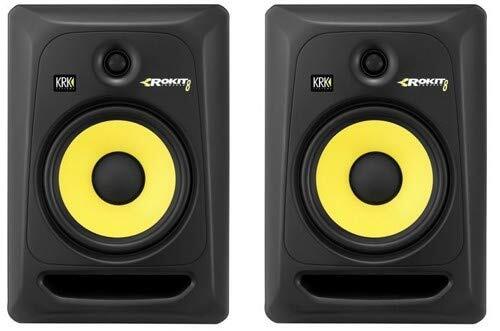
Tell us about your requirement

Price:
Quantity
Select Unit
- 50
- 100
- 200
- 250
- 500
- 1000+
Additional detail
Mobile number
Email

More Products in Studio Equipment Category
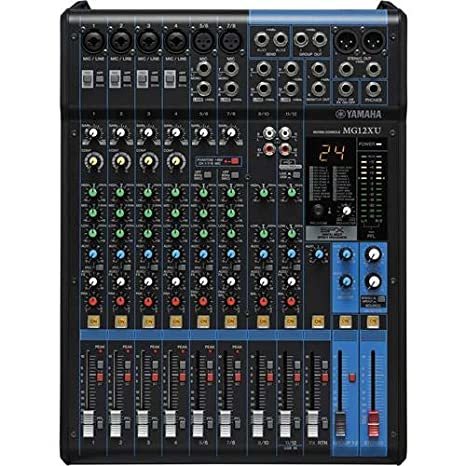
Yamaha Mixer-MG12XU VCD Player
Price 29000 INR / Piece
Minimum Order Quantity : 1 Piece
USB Port : 1
Product Type : Yamaha MixerMG12XU VCD Player
Weight (kg) : 4.0 Kilograms (kg)
Color : Blue/Black
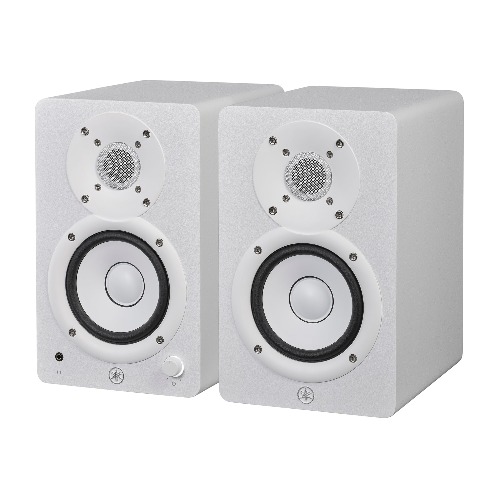
Yamaha HS4 W
Price 22500.0 INR / Pair
Minimum Order Quantity : 10 Pairs
USB Port : 1
Product Type : Powered Studio Monitor
Weight (kg) : 3.6 kg
Color : Black
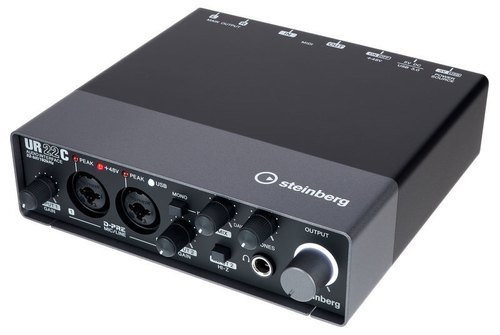
UR22C Steinberg Soundcard
Price 14000 INR / Piece
Minimum Order Quantity : 1 Piece
USB Port : Other, USB 3.0/USB TypeC
Product Type : USB Audio Interface
Weight (kg) : 1.0 Kilograms (kg)
Color : Black/Grey
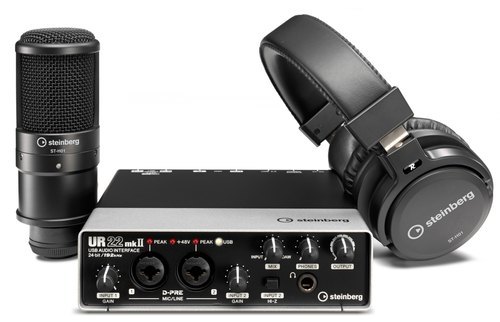
Steinberg UR22C Recording Pack
Price 26000 INR / Piece
Minimum Order Quantity : 1 Piece
USB Port : Other, Yes (USBC)
Product Type : Audio Interface Recording Pack
Weight (kg) : 1.0 Kilograms (kg)
Color : Black


- B No. 67, Ganesh Chandra Avenue -Ground Floor, Near Hind Cinema,Kolkata - 700013, West Bengal, India
- Phone : 08071931135


- Mr Ashwin Jaiswal (Proprietor)
- Mobile : 08071931135
-
 Send Inquiry
 Send Inquiry
TECHNO VIBEZ
All Rights Reserved.(Terms of Use)
Developed and Managed by Infocom Network Private Limited.
Developed and Managed by Infocom Network Private Limited.

