

 Send Inquiry
Steinberg Soundcard - UR44C
Price 25000 INR/ Piece
MOQ : 1 Piece
Steinberg Soundcard - UR44C Specification
- Remote Controlled
- NO
- Auto Memory
- No
- HDMI
- No
- Aux Option
- Line inputs available
- Channels
- 6-in/4-out (4 Mic/Line inputs, 2 Line inputs, 4 Line outputs)
- FM Turner
- NO
- Product Type
- Steinberg Soundcard - UR44C
- Material
- Metal Chassis with Plastic side panels
- Input Power
- 5V DC (via USB-C or external adapter)
- Frequency Range (Hz)
- 20 - 22000 Hertz (HZ)
- Sound Level
- High-resolution 32-bit/192 kHz audio quality
- Earphone/Headphones Plugin
- 1 x 6.3 mm stereo phone jack
- Include Display
- No
- Game Function
- No
- Dimension (L*W*H)
- 9.9 x 6.3 x 1.9 Inch (in)
- Weight (kg)
- 1.5 Kilograms (kg)
- Color
- Black / Silver (as displayed in image)
- Preamps
- 4 x D-PRE Class-A mic preamps
- Phantom Power
- +48V switchable, for condenser microphones
- Loopback Function
- Yes, ideal for streaming
- Pad Switches
- Yes, on all Mic/Line channels
- Power Supply
- USB bus-powered or external 5V DC adapter
- Dynamic Range
- 102 dB A/D, 101 dB D/A (typical)
- Input Connectivity
- Combo XLR/TRS (Mic/Line), 2 x Hi-Z guitar input
- Supported Platforms
- Windows, macOS, iOS
- MIDI I/O
- In/Out
- Output Connectivity
- 4 x TRS output, 1 x headphone out
- Monitoring
- Direct hardware monitoring with latency-free DSP effects
- Bundled Software
- Cubase AI, Cubasis LE, dspMixFx mixer
- Control Knobs
- Gain controls for all input channels
Steinberg Soundcard - UR44C Trade Information
- Minimum Order Quantity
- 1 Piece
- Supply Ability
- 10 Pieces Per Week
- Delivery Time
- 7 Days
Steinberg Soundcard - UR44C About
The Steinberg URC44C is an audio interface designed to record small ensembles anywhere with professional-grade sound quality all the while. Make use of its 32-bit converters for a wide dynamic range, and record at sample rates of up to 192 kHz for capturing detailed sonic nuances. Whether you record yourself at the home studio or want to record your record at the rehearsal space, the UR44C will come in handy, particularly if you wish to record your own bands music.
The interface offers four combo XLR-1/4" inputs, two of which can accept Hi-Z instruments, so you can record your basses and guitars direct and with fine degrees of resolution. In the back, youll find two more line inputs, as well as four 1/4" line outputs.
Connect to your monitors via two 1/4" TRS jacks in the back of the unit, or make use of two 1/4" headphone outputs on the front panel with their own volume controls. That way, you can monitor while you engineer, and the instrumentalist can listen while recording.The interface can communicate over a USB GEN 3.1 connection for seamless integration with Mac and Windows computers. The port is also backwards compatible for USB 2.0. Even iOS devices running iOS 10 and later are supported, so you can record straight to your iPad.
If broadcasting DJ sets, lessons, or twitch streams with high resolution is something that piques your fancy, youll be excited for the Loopback function. This merges your recording channels with playback audio from your DAW, so you can broadcast it all at once.
Versatile Audio Interface for Studio and Live Use
With six inputs and four outputs, including professional-grade mic preamps and Hi-Z guitar inputs, the Steinberg UR44C serves both studio recording and live streaming needs. Its flexible connectivity supports a variety of setups, while direct hardware monitoring ensures zero-latency audio, perfect for musicians and content creators alike.
Pristine Sound Quality and Robust Build
Experience clear, high-fidelity audio with a dynamic range of 102 dB A/D and 101 dB D/A (typical). The steel chassis construction, paired with resilient plastic side panels, makes the UR44C durable enough for frequent use, whether in the studio or on the road.
FAQs of Steinberg Soundcard - UR44C:
Q: How does the Steinberg UR44C provide latency-free monitoring during recording?
A: The UR44C features direct hardware monitoring with onboard DSP effects, allowing you to hear your input signals in real time without latency, making it ideal for both vocalists and instrumentalists.Q: What types of microphones and instruments can I connect to the UR44C, and how is power supplied for condenser mics?
A: You can connect dynamic or condenser microphones using the four combo XLR/TRS inputs, each with D-PRE preamps and switchable +48V phantom power. Additionally, two Hi-Z inputs accommodate electric guitars or basses, while line inputs handle keyboards and other audio sources. Phantom power is easily activated via a dedicated switch.Q: When should I use the Loopback function on the UR44C, and what are its benefits?
A: The Loopback function is perfect for live streaming or podcasting, as it combines your input signals (like mic and instruments) with playback audio from your computer into one stream. This enables seamless audio integration and enhances your online broadcast experience.Q: Where can I use the Steinberg UR44C, and is it portable?
A: The UR44Cs compact size and dual power options (USB or external 5V adapter) make it suitable for home studios, live gigs, or mobile recording. Its lightweight and robust, allowing convenient usage in various environments.Q: What bundled software comes with the UR44C, and how does it enhance music production?
A: The UR44C includes Cubase AI, Cubasis LE, and the dspMixFx mixer. These provide comprehensive DAW functionality and professional DSP effects, helping you record, mix, and edit music with greater flexibility and efficiency.Q: How do the pad switches on the UR44C improve recording versatility?
A: Pad switches on every Mic/Line input allow attenuation of loud signals, preventing distortion from high-output sources like drum mics or hot instrument pickups. This ensures clean, undistorted audio capture under any condition.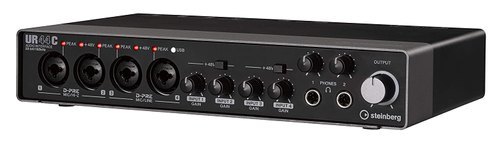
Tell us about your requirement

Price:
Quantity
Select Unit
- 50
- 100
- 200
- 250
- 500
- 1000+
Additional detail
Mobile number
Email

More Products in Studio Equipment Category
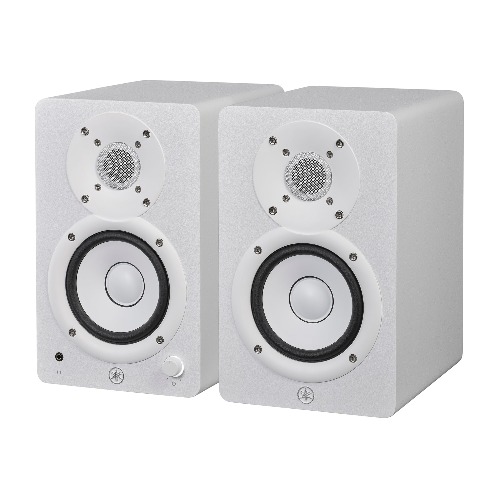
Yamaha HS4 W
Price 22500.0 INR / Pair
Minimum Order Quantity : 10 Pairs
Dimension (L*W*H) : 147 x 233 x 197 mm
Weight (kg) : 3.6 kg
Frequency Range (Hz) : 60 Hz 22 kHz
USB Port : 1
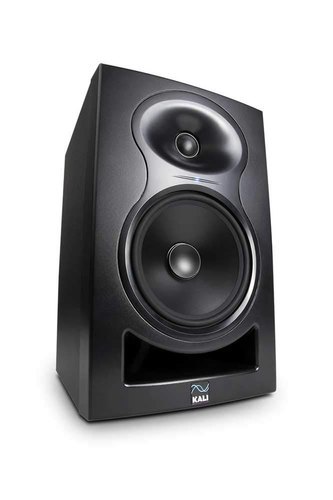
6.5" Inch Black Kali Audio Lp-6 Studio Monitor
Price 40000 INR / Pair
Minimum Order Quantity : 1 Piece
Dimension (L*W*H) : 8.8 x 14.1 x 10.3 Inch (in)
Weight (kg) : 7.0 Kilograms (kg)
Frequency Range (Hz) : 47 21000 Hertz (HZ)
USB Port : 1
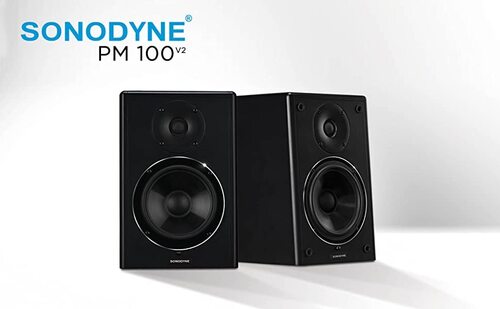
Sonodyne PM 100 V2 Production Monitor
Price 40000 INR / Pair
Minimum Order Quantity : 1 Pair
Dimension (L*W*H) : 220 x 332 x 240 Millimeter (mm)
Weight (kg) : 10 Kilograms (kg)
Frequency Range (Hz) : 45 Hz 24 kHz
USB Port : NO
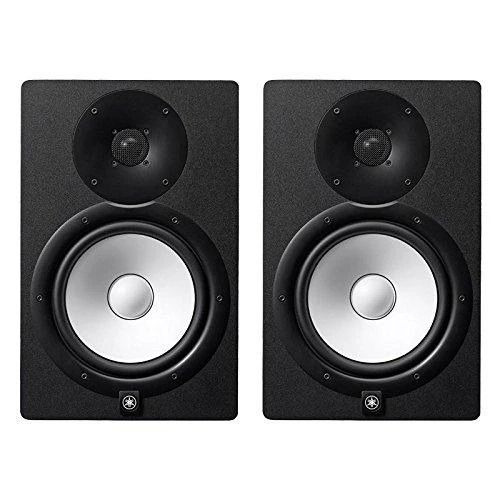
Yamaha HS8 Studio Monitor
Price 46000 INR / Pair
Minimum Order Quantity : 1 Pair
Dimension (L*W*H) : 9.8 x 15.4 x 13.1 Inch (in)
Weight (kg) : 10.2 Kilograms (kg)
Frequency Range (Hz) : 3830000 Hertz (HZ)
USB Port : NO


- B No. 67, Ganesh Chandra Avenue -Ground Floor, Near Hind Cinema,Kolkata - 700013, West Bengal, India
- Phone : 08071931135


- Mr Ashwin Jaiswal (Proprietor)
- Mobile : 08071931135
-
 Send Inquiry
 Send Inquiry
TECHNO VIBEZ
All Rights Reserved.(Terms of Use)
Developed and Managed by Infocom Network Private Limited.
Developed and Managed by Infocom Network Private Limited.

